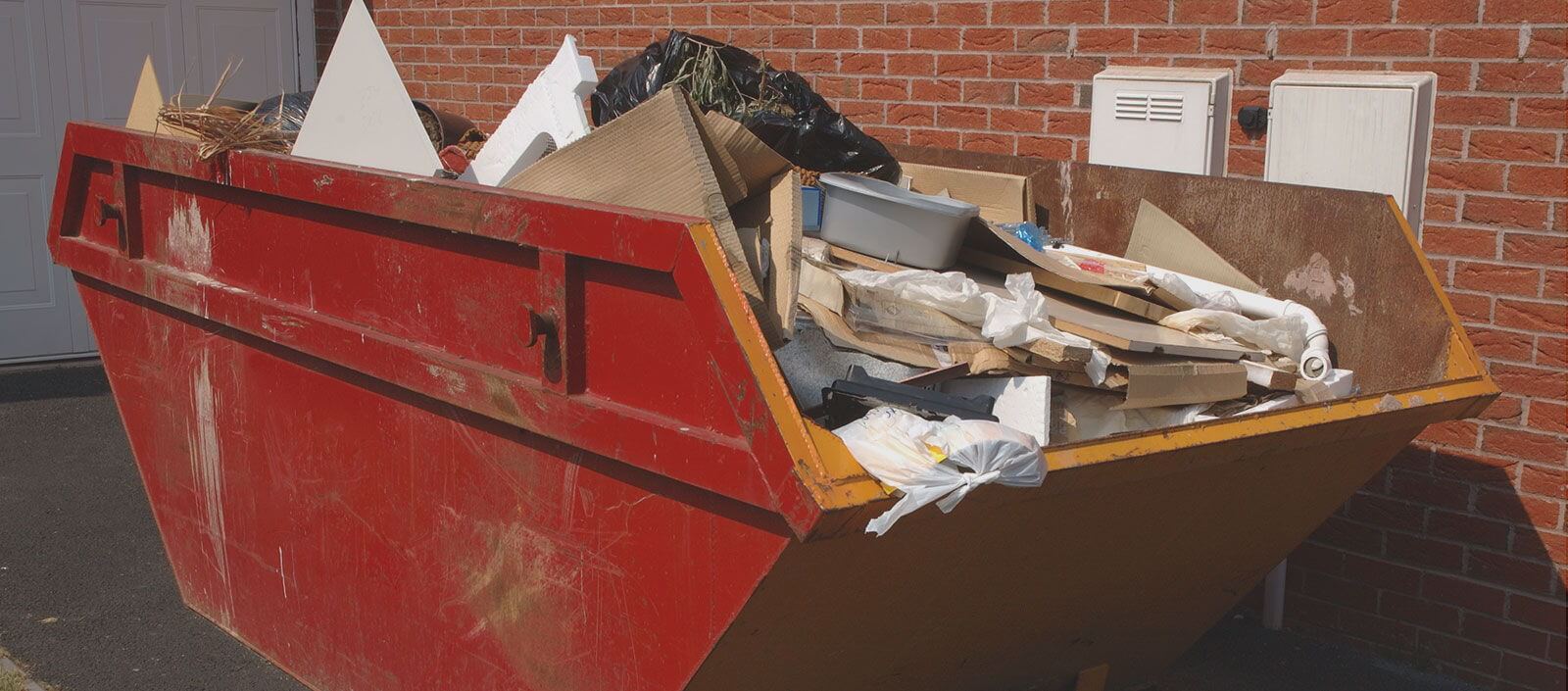
Urgent bulky waste collection options in Mayfair
Posted on 07/05/2026

If you need urgent bulky waste collection options in Mayfair, you are probably dealing with the kind of situation nobody plans for: a delivery gone wrong, a last-minute office clear-out, a flat that has to be handed back tomorrow, or a heavy item sitting in the hallway blocking everything. In a place like Mayfair, where access can be tight and time feels even tighter, the quickest solution is not always the cheapest one, and the cheapest one is not always the smartest. The right choice depends on what needs removing, how fast it has to go, and how much disruption you can tolerate.
This guide breaks down the practical ways to get bulky waste removed quickly in Mayfair, what to expect from each option, and how to avoid the usual headaches. You will find clear steps, a comparison of methods, compliance considerations, and a few real-world tips that can save you time on the day. No fluff. Just the sort of detail you wish someone had told you before the sofa arrived and then refused to leave.
For readers managing a larger clearance, it can also help to understand the wider service picture first. A broader house clearance in London approach may be more efficient if your bulky items are part of a bigger move or property reset. And if the removal is happening alongside office furniture, packaging, or mixed waste, the team behind commercial waste removal in London can often handle the mixed load more smoothly than a one-off trip.
Let's face it, when a bulky item has to disappear fast, the main question is not "what is the perfect service?" but "what will work reliably today?".
Why Urgent bulky waste collection options in Mayfair Matters
Mayfair is not the place where you want bulky waste hanging around. The streets are busy, access can be awkward, parking is rarely generous, and building managers often expect things to be handled neatly and on time. A single abandoned bed frame, broken wardrobe, or office desk can quickly become a nuisance for residents, neighbours, porters, and contractors.
Urgent removal matters for a few very practical reasons. First, bulky items take up room fast. A chest of drawers in a hallway can block moving crews, cleaners, decorators, or surveyors. Second, these items can cause friction with building management if they are left in shared areas. Third, delays often create extra cost because other trades may be waiting around. In a high-pressure situation, even an hour matters.
There is also a perception issue. In a district like Mayfair, presentation counts. A tidy entrance, clear corridor, and uncluttered service area make a noticeable difference. You may not think a single broken sofa is a big deal, but everyone walking past it does.
Urgent bulky waste collection is about restoring order quickly without making a mess of the process. That means choosing a removal method that fits the item, the access, and the timescale. Not every job needs the biggest lorry available. Sometimes a smaller team with the right lifting gear and local know-how is better. Truth be told, that is often the calmer option.
How Urgent bulky waste collection options in Mayfair Works
At a practical level, urgent bulky waste collection follows a simple pattern: assess the load, confirm access, agree timing, and remove the items safely. The details matter, though, because bulky waste is rarely just "one thing". It might be a mattress plus packaging, a wardrobe with glass doors, or a mix of furniture and broken household items after a rushed move.
Most fast-response collections begin with a quick description or photo-based assessment. That helps determine the vehicle size, the number of crew members needed, and whether the items can be removed from inside the property, from a basement, or from a loading area. In Mayfair, access details really matter. A service lift, narrow stairwell, controlled entry point, or permit-sensitive parking bay can change the whole plan.
Depending on the provider, the process may be same-day, next-day, or scheduled for a specific time slot. Good operators will usually ask about:
- the type and approximate size of each item
- whether anything is especially heavy, sharp, or fragile
- how many floors are involved
- any lift restrictions or concierge requirements
- where the waste is currently stored
- whether the load includes mixed materials
That last point matters more than people expect. A wooden cabinet, a metal bed base, and a bag of leftover packaging may look like one job, but disposal routes can differ. If you need help clearing other household clutter at the same time, a more structured service such as domestic waste removal in London can sometimes simplify the booking.
In a good urgent collection, the operator arrives prepared, protects surfaces where needed, removes items without causing damage, and leaves the area swept or at least presentable. That is the standard you should expect. Not perfection, just competence and care.
Key Benefits and Practical Advantages
The obvious benefit is speed. If an item must go today, urgent removal can solve the problem before it spreads into a bigger one. But the practical advantages go further than that.
Less disruption to your day
A bulky item on the floor changes how you move through a property. It slows cleaners, blocks decorators, and can make a normal room feel strangely unliveable. Quick removal gives you the room back. That sounds simple, but anyone who has lived around a half-finished move knows how much mental space that frees up.
Safer access and reduced trip hazards
Large items create immediate safety issues. A mattress leaning in a corridor, a broken table, or an old filing cabinet near a doorway can be awkward at best and dangerous at worst. Fast collection reduces the chance of someone injuring themselves or damaging the item further.
Better coordination with other trades
If decorators, cleaners, delivery teams, or letting agents are due, timing is everything. One well-timed collection can keep the whole job moving. In our experience, this is where organised removal really pays off. People often think the waste is the main issue. Usually it is the domino effect.
Cleaner handovers for properties
End-of-tenancy situations, refurbishments, and sales preparation often need a clean handover. Removing bulky waste quickly helps present the property properly, which is especially useful in a premium area where details are noticed.
Reduced stress and decision fatigue
When you are already under pressure, the last thing you need is a complicated disposal puzzle. A reliable collection option gives you one clear next step. That alone can make the day feel manageable again.
Expert summary: urgent bulky waste collection is not just about speed; it is about restoring access, reducing friction, and keeping the rest of the property work on track without avoidable delays.
Who This Is For and When It Makes Sense
This kind of service is useful for a surprisingly wide range of people. Some are dealing with a one-off emergency. Others simply do not want a bulky item sitting around for a week while they wait for a routine slot.
It makes sense if you are:
- a resident clearing out a large item before a move-out inspection
- a landlord preparing a flat for new tenants
- a letting agent arranging a fast turnaround
- a facilities manager dealing with unwanted office furniture
- a housekeeper or concierge needing a prompt removal from a communal area
- a contractor who needs a room cleared before work can continue
It is also relevant when a piece is physically too difficult to move without help. Heavy wardrobes, bunk beds, sofas, office desks, broken cabinets, and appliances can all become awkward very quickly, especially in older properties or buildings with narrow stairs. One person can wrestle with a table for half an hour and still not get it round the corner. It happens.
A fast collection is also worth considering if the item has started to interfere with daily use. You know the feeling: the spare room becomes unusable, the entrance feels cluttered, or the service corridor turns into a storage zone nobody planned for.
Step-by-Step Guidance
If you want the job handled well, a little preparation helps. You do not need to overthink it, but a few simple steps can make the whole process smoother.
- List exactly what needs removing. Include item types, approximate sizes, and whether anything is broken, sharp, or heavy.
- Take a quick photo if possible. This is often the fastest way to reduce confusion and confirm the right vehicle or crew.
- Check access in advance. Think about stairs, lifts, door widths, parking, and concierge rules. In Mayfair, this is not a small detail.
- Separate what stays from what goes. If there are items you want to keep, move them away from the working area or label them clearly.
- Ask about timing. Confirm whether the team can come same day, whether there is a time window, and how long the loading is expected to take.
- Confirm how the waste will be handled. A professional service should explain where the material goes and whether it will be sorted for reuse, recycling, or disposal.
- Prepare the route. Open doors, clear small obstacles, and if needed, alert building staff or neighbours. That one tiny bit of prep can save a lot of faffing about.
If the collection is part of a bigger clean-up, it may help to think in terms of layers: bulky items first, then loose waste, then any final tidy-up. That order tends to work well because it creates room as you go.
Expert Tips for Better Results
Small decisions make a big difference in urgent collections. Here are the habits that usually separate a smooth job from a messy one.
Be honest about access
If the team needs to carry a wardrobe down four flights of stairs, say so upfront. If there is a tight turn in the hallway, mention it. Surprises are what slow everything down.
Group items by type if you can
It is easier to remove items when furniture, soft furnishings, and loose rubbish are not spread across three rooms. Even a rough grouping helps the crew move more efficiently.
Think about weight, not just size
A small filing cabinet can be harder to move than a large but light sofa cushion. Weight affects crew size, equipment, and safe handling. People often overlook that.
Ask what happens if access changes
In Mayfair, access can change on the day because of deliveries, concierge instructions, or parking constraints. A good provider should be able to adapt, but you should know how they handle unexpected issues.
Use photos for awkward items
Odd-shaped or damaged items are easier to quote for if you send images. It cuts down on back-and-forth, which is handy when you are in a rush.
One more thing: if the job is tied to a wider clear-out, see whether the service can handle other waste streams too. A mixed collection can sometimes reduce the number of separate visits, and that makes the day less chaotic.

Common Mistakes to Avoid
Most collection problems come from a handful of avoidable mistakes. None of them are dramatic, but they can waste time and money.
- Leaving the booking too late. Urgent does not mean instant in every case, especially if access is complicated.
- Under-describing the waste. "Just a few bits" can turn into a van full of furniture. Be precise.
- Forgetting about parking or loading restrictions. This is a classic London problem and Mayfair is no exception.
- Mixing keep and remove piles. That creates confusion and slows the crew right down.
- Assuming every item can go the same way. Some materials need separate handling or sorting.
- Not asking about the final tidy-up. Some services clear and go; others leave the area swept. Know which you are getting.
A small but common slip is booking a service for one bulky item and then remembering two chairs, a desk, and a box of old equipment while the team is already at the door. It happens more than people admit. A quick re-check before the booking usually avoids it.
Tools, Resources and Recommendations
You do not need fancy equipment to prepare for a bulky waste collection, but a few simple tools help:
- Measuring tape for checking doorways, stair turns, and lift sizes
- Phone camera for clear item photos and access photos
- Label tape or sticky notes to mark keep/remove items
- Gloves for moving smaller loose pieces safely
- Floor protection if items may scrape surfaces during movement
For bigger clearances, a checklist on paper or on your phone can stop things being missed. That is especially useful if the removal is happening alongside a move, refurbishment, or tenancy change. If the waste is part of a wider property reset, a office clearance in London service or a furniture removal in London option may be more efficient than treating each item separately.
Practical recommendation? Keep a short note of the item list, access details, and preferred time window in one place. It sounds basic, but when a porter calls, a decorator is waiting, and you are trying to remember whether the lift is booked, basic wins.
Law, Compliance, Standards and Best Practice
For bulky waste, the safest approach is to use a provider that handles waste responsibly and can explain how it will be managed. In the UK, waste must be disposed of correctly, and as a customer you should still be careful about who takes it away. A professional operator should be able to describe their process in plain English, including sorting, transport, and final disposal or recycling routes.
In practical terms, best practice usually means:
- the waste is collected by a legitimate service
- items are handled safely and without unnecessary damage to the property
- reusable or recyclable materials are separated where possible
- the job is documented clearly enough that you know what was removed
If a collection involves electrical items, damaged glass, sharp materials, or anything contaminated, the handling requirements may change. That is not a reason to panic, but it is a reason to be upfront. The same goes for collections from shared buildings, where you may need to respect building rules, permit timing, or loading constraints.
As a general rule, if a service cannot explain how it deals with the waste or seems vague about what happens next, that is a warning sign. Not always a disaster, but enough to ask more questions. Better to sound fussy for two minutes than regret it later.

Options, Methods, and Comparison Table
There is more than one way to solve an urgent bulky waste problem in Mayfair. The right choice depends on urgency, item size, access, and whether you are clearing one object or several.
| Option | Best for | Speed | Pros | Watch-outs |
|---|---|---|---|---|
| Same-day private bulky waste collection | Urgent single items or small loads | Very fast | Flexible, direct, often easiest for difficult access | Can cost more for immediate response |
| Next-day booked collection | Jobs that can wait until tomorrow | Fast | More time to prepare access and items | Not ideal if the space must be clear today |
| Building-managed removal | Communal or concierge-led buildings | Variable | Useful where access is controlled centrally | May involve stricter timing and coordination |
| Wider clearance service | Multiple items or mixed waste | Fast to moderate | Efficient for larger jobs, fewer separate arrangements | May be more than you need for one object |
| DIY disposal with transport | Very small, manageable loads | Depends on you | Can suit minor jobs if you already have a vehicle | Time-consuming, physically demanding, less convenient |
If your situation is straightforward, a direct collection is often the cleanest answer. If the job is bigger, a broader removal service may actually save time because it reduces the number of moving parts. The trick is matching the method to the mess, not the other way round.
Case Study or Real-World Example
Imagine a flat near the heart of Mayfair where a large sofa has to be removed before new carpet is fitted the next morning. The hallway is narrow, the building has lift booking rules, and the porter is available only during a short window. On top of that, the sofa is heavier than it looks and too wide to turn easily.
In a situation like that, the best approach is not to improvise at the door. First, a photo and quick item description confirm what is being removed. Next, access details are checked: lift size, staircase width, and the best arrival time. Then the team arrives with enough crew to carry the sofa safely without scraping the walls. The item is taken out, the route is checked for marks, and the room is handed back ready for the carpet fitters.
That kind of job sounds simple after the fact, but the value is in the preparation. If the access details had been guessed, the collection could have stalled. If the sofa had been left until the morning of the fitting, the whole schedule would have been under pressure. A calm plan, even for a small job, tends to beat a rushed scramble every time.
Another common scenario is an office receiving new furniture while the old desks still sit in place. In that case, a coordinated removal and clearance plan keeps the workspace usable. The room starts to breathe again. That is often the real goal.
Practical Checklist
Use this simple checklist before your collection:
- Have you listed every item that needs removing?
- Have you taken photos of the bulky pieces and access points?
- Have you checked stairs, lifts, and doorway widths?
- Have you confirmed parking or loading restrictions if relevant?
- Have you separated items you want to keep?
- Have you told the provider about heavy, fragile, or awkward objects?
- Have you confirmed timing and any building access rules?
- Do you know whether the waste will be reused, recycled, or disposed of?
- Have you asked whether sweeping or light tidying is included?
- Do you have a contact number ready on the day?
A final quick look around the property before the crew arrives can save embarrassment. Everyone has had that moment of spotting the one item they forgot. A printer in the cupboard. A chair behind the door. Annoying, yes. Fixable, usually.
Conclusion
Urgent bulky waste collection options in Mayfair work best when speed is matched with clear planning. The right service should remove the items quickly, handle access carefully, and leave you with a usable space again. Whether you are clearing a single sofa, several broken pieces of furniture, or a mixed load after a move or refurbishment, the basics stay the same: be clear, be prepared, and choose a method that fits the building as well as the waste.
In a busy part of London, that practical approach makes all the difference. It keeps the job calm, avoids unnecessary delays, and helps the property move on to whatever comes next. And sometimes, honestly, that fresh empty space is the best part of the whole process.
Get a free quote today and see how much you can save.