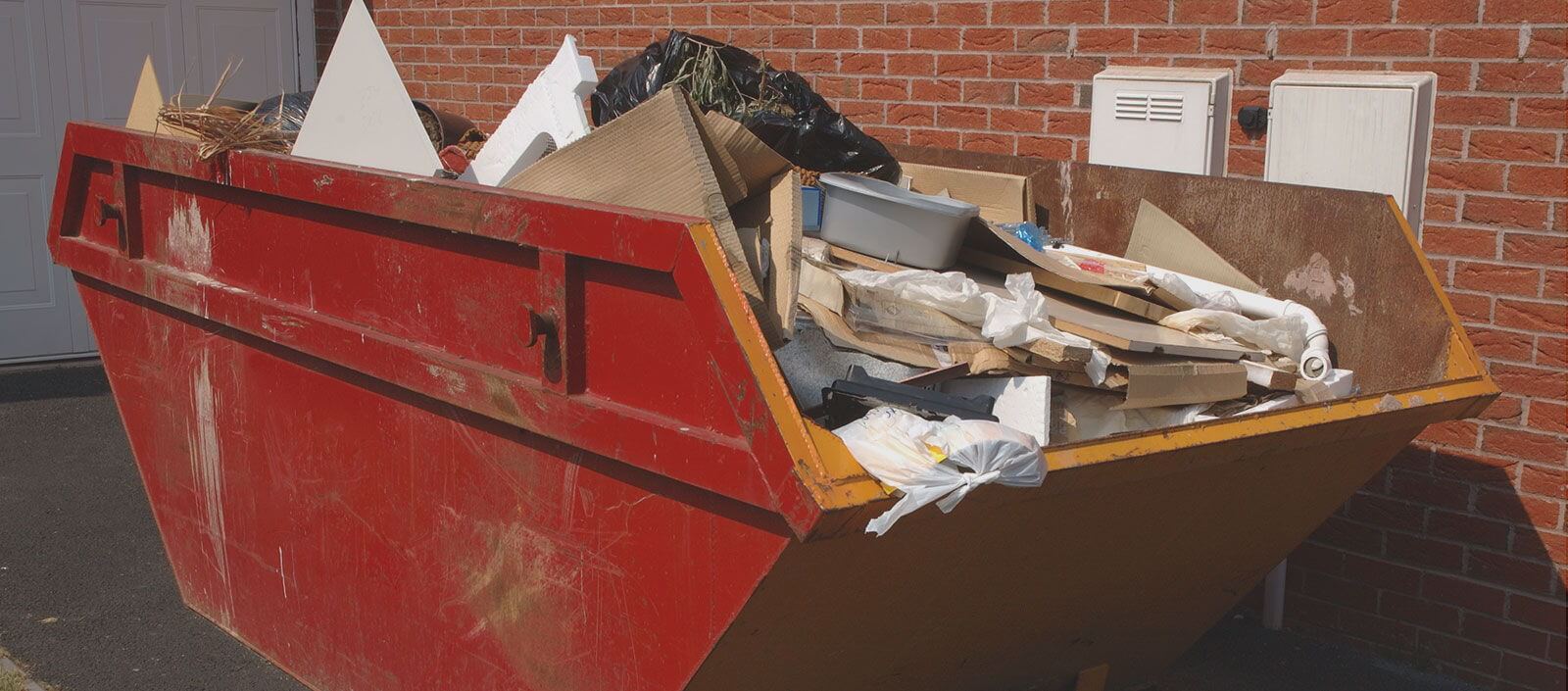
Waste Removal in Mayfair
Waste Removal Mayfair provides waste removal in Mayfair for homes, flats, offices and other occupied premises that need collected rubbish taken away in a tidy, organised way. The service covers everyday clearances, bulky item removal and more structured work where access, sorting and disposal all matter. If you want a straightforward collection and a clear quotation, the aim is to keep the process simple while still matching the right disposal route to the material being removed.
We handle mixed household waste, furniture, appliances, office contents and builders’ debris, with the work shaped around the type and volume of items rather than a one-size-fits-all approach. Some customers need a single item lifted; others need a fuller clearance with reusable items separated from general rubbish. Our services overview brings the main options together, while this page sets out how the work is usually approached and where the right service choice makes the biggest difference.
For smaller jobs, the key is often a neat, careful collection; for larger clearances, the focus shifts to sorting, access and making sure waste is handled responsibly. We work with practical, everyday requirements rather than overcomplicating the job, and we keep the service centred on what needs moving, what can be separated and what should be removed in one visit. If you already know the type of waste, you can move straight towards an enquiry. If not, read on for the main service paths before you ask for a quote.
Household Waste and Domestic Collections
Domestic waste collection in Mayfair is suitable when household items have built up beyond what ordinary bin service can take. That may include bagged rubbish, broken furniture, unwanted household goods, packaging from a move or a general clear-out after renovation or redecoration. The work is usually more efficient when items are grouped sensibly, but we can also help where waste is mixed and needs separating before loading. The emphasis is on careful removal from inside the property or from a suitable access point without leaving the area untidy.
Furniture disposal is a common part of domestic work, especially where sofas, tables, chairs, wardrobes or beds are no longer wanted. Larger items can need extra attention because of stairways, narrow hallways or shared entrances. Where useful, you can also look at furniture disposal in Mayfair for this specific type of collection. If a room contains a mixture of bulky items and general clutter, the service can be organised so that everything is removed together rather than split into separate jobs.
Bulky Items, Appliances and Specialist Loads
Some waste cannot be handled as ordinary bagged rubbish because it is heavy, awkward or made up of materials that need different treatment. White goods and appliance disposal in Mayfair is one example, covering items such as fridges, freezers, washing machines and similar appliances that should not simply be left for general disposal. These loads may require extra care with lifting, isolation of fittings and careful loading. White goods and appliance disposal is useful when the main issue is getting a single bulky item or a small group of appliances removed properly.
Bulky waste can also include broken cabinets, mattresses, shelving, shopfit components and other awkward articles that are too large for regular collection. Where the material is still in usable condition, it may be better described and handled separately from general refuse; where it is damaged, the task becomes a straightforward removal and disposal exercise. Rubbish collection in Mayfair suits mixed loads where several different waste types need to go together, especially if you want one arranged pickup rather than multiple smaller visits.
When you are planning this kind of work, it helps to note the item type, the number of pieces and any access limits such as staircases, communal corridors or tight loading spaces. That information supports a more accurate quotation and helps avoid delays on the day. For the best result, keep anything you want to retain clearly separated from what should be taken away, and mention whether the load contains electrical items, heavy furniture or mixed materials. A concise list is usually enough to start the process.
Office, Commercial and Trade Waste
Commercial waste removal in Mayfair supports shops, offices, studios, hospitality spaces and other business premises that need waste cleared without disrupting the day’s work more than necessary. The service can cover boxed rubbish, packaging, shelving, old stock, filing, reception furniture and general premises waste. When businesses are involved, the best approach is often a planned collection that fits around access arrangements, lifts, loading bays and any shared building rules. Commercial waste removal gives a clear route for ongoing or one-off business collections.
Office clearance in Mayfair is more structured, because desks, chairs, storage units, monitors and archived contents often need to be sorted before loading. That makes it useful where a suite is being reconfigured, a lease is changing or a workspace needs to be stripped back efficiently. You can see the dedicated service at office clearance in Mayfair. If the load includes mixed office materials, paperwork, hardware and furniture, the service can be planned so that the bulk of the work is completed in one organised visit rather than being handled piecemeal.
Builders’ waste is different again, because it may include rubble, timber offcuts, packaging, broken fittings, plasterboard and general site debris. Builders’ waste disposal in Mayfair is suited to refurbishment, strip-out and post-project tidy-up work where the material needs loading, removal and suitable disposal. Clear access details matter here, especially if the waste is on an upper floor, in a rear yard or spread across several areas. A good quotation will usually depend on the kind of waste and how much labour is involved in moving it safely.
House Clearance and Loft Clearance
House clearance in Mayfair is the broader option when a property contains multiple rooms of unwanted contents rather than a few isolated items. It can involve furniture, household goods, stored possessions, general waste and mixed items that need sorting as they are removed. Some clearances are partial and focus on a single floor or a small section of the home; others involve more of the property. House clearance in Mayfair is the right place to start when the work is more substantial than a normal collection and needs a fuller plan.
Loft clearance in Mayfair is often more access-led, because items stored in roof spaces may be dusty, awkward or stacked in a way that makes removal slower than expected. Old boxes, seasonal belongings, broken furnishings and long-kept storage can all build up in these spaces. Loft clearance is useful where the main task is to empty an upper storage space carefully and without disturbing the rest of the property more than necessary. If insulation, narrow loft hatches or steep stairs are involved, it is worth flagging that early.
A sensible enquiry will usually mention whether the clearance is partial or full, whether anything must be retained, and whether there are items that need extra handling because of weight or condition. If you are unsure how to describe the job, a short note on the main rooms involved is enough to begin. For many customers, pricing and quotes is the most practical next step once the type of clearance is clear, because it helps set expectations before a visit is arranged.
Furniture, Furniture Removal and Item-by-Item Collections
Furniture removal in Mayfair is useful when you do not need a full clearance but do need one or more items taken away quickly and responsibly. It can cover bedroom furniture, dining sets, cabinets, desks and other sizeable pieces that are difficult to transport without help. The removal process is usually straightforward when the item is ready near the exit, but the work can still involve careful manoeuvring through corridors, lifts or shared entrances. Furniture removal in Mayfair is a practical option for single-item or small-load collections.
Some customers want rubbish removed from a specific room or set of items rather than a full property sweep. In that case, the service can be tailored around exactly what needs to leave and what should remain in place. This is especially useful where pieces are scattered across a flat or office and need gathering before loading. If you have a mix of usable furniture and general waste, it helps to distinguish between the two so the quotation can reflect the real shape of the job rather than treating every item in the same way.
Useful details to provide once include the approximate number of items, the floor level, whether lifts are available and whether anything is particularly heavy or fragile. Those points help shape an accurate quotation without turning the enquiry into a lengthy process. If you already know that the job is mainly about furniture, use the dedicated furniture page; if it is a broader load, a general waste removal enquiry may be the better fit. Either way, a clear list keeps the conversation efficient.
Pricing, Compliance and Disposal Standards
Price depends on the material, the quantity, the labour needed to move it and any special handling requirements. A small, accessible load is usually very different from a larger collection spread across several rooms or floors. That is why it helps to keep the enquiry focused on the actual job rather than trying to compare it with a generic rubbish removal example. Prices and pricing and quotes provide the most direct pages for anyone who wants to understand how the service is approached commercially before requesting a quotation.
Responsible disposal matters just as much as collection. The work should be carried out in line with proper waste-handling practice, especially where mixed loads, appliances or trade materials are involved. Waste carrier licence and compliance is the relevant page for customers who want to check that regulatory responsibilities are being taken seriously. For wider reassurance around operational care, insurance and safety sets out another important part of the service approach.
Where waste may contain reusable material or recyclable components, the goal is to separate it appropriately rather than treat every item as identical. That is especially relevant for furniture, appliances, packaging and some office contents. Recycling and sustainability is not a slogan here; it is part of making disposal more suitable to the load. If you want to understand what happens after collection, the sustainability information can help before you proceed to an enquiry. Plainly put, the better the waste is described, the better the response is likely to be.
About Mayfair
Mayfair is a district in the City of Westminster, lying between Hyde Park and Soho and shaped by a long history of aristocratic estates, later commercial development and a dense pattern of streets and squares. Its name comes from the May Fair, a popular annual fair held in the area in the eighteenth century before it was eventually suppressed. The district is best known for its Georgian terrace houses, private garden squares and elegant commercial frontages, with streets such as Berkeley Square, Grosvenor Square, Hanover Square and Shepherd Market forming part of its familiar fabric. Grosvenor Square has long been one of the area’s most recognisable open spaces, while nearby Hyde Park and Green Park provide larger public landscapes at the edge of the district. The area also contains a concentration of galleries, hotels, restaurants and high-end retail, giving it a distinct mix of residential, diplomatic and commercial life. Its built character reflects successive phases of rebuilding and adaptation rather than a single style, so stone façades, mansion blocks, restored town houses and modern interiors often sit close together. Although Mayfair is compact, it occupies a central position in London and is closely connected to Oxford Street, Piccadilly and the wider West End, making it one of the capital’s most closely observed neighbourhoods for architecture, land use and urban history.
Booking a Collection and Requesting a Quotation
When you are ready to proceed, the simplest way to start is to identify the main type of waste and the rough amount involved. A brief note on the property type, the rooms or area involved and any access issues is usually enough to move the conversation forward. If the job includes multiple waste types, it is worth separating them in your description so the right service can be matched to the load. That makes the quotation process easier and reduces the chance of surprises later.
You can also mention whether the collection is linked to a move, a refurbishment, an office change or a general tidy-up, because that context helps shape the practical approach even when the waste itself is ordinary. For many customers, the most useful next step is simply to compare the available service pages and then choose the one that fits the load best. If you are still deciding, waste removal in Mayfair is the broad starting point for general enquiries.
To request a quotation, use the contact page when you are ready and include a clear description of the items to be removed. If you have already narrowed the job to domestic waste, furniture, office contents or builders’ material, say so directly. Contact us to request a quotation and arrange the next step. Clear details lead to clearer answers, and that is usually the most efficient way to begin.