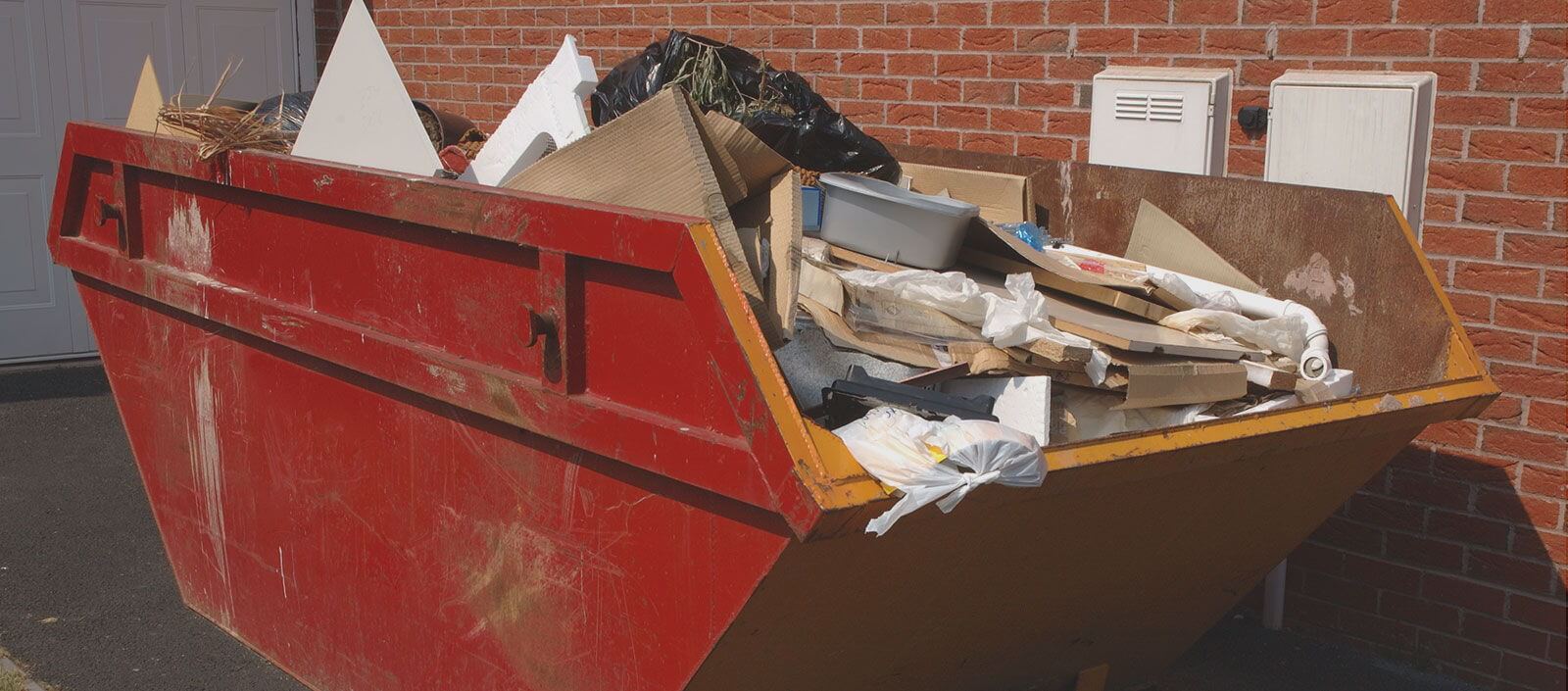
Dealing with illegal fly-tipping outside Mayfair businesses
Posted on 11/06/2026

Illegal fly-tipping outside a Mayfair shopfront, office, restaurant, or gallery is more than an eyesore. It can block pavements, upset customers, create odours, and make a polished frontage look neglected in a matter of hours. In a place like Mayfair, where first impressions matter almost absurdly much, that rubbish can quickly turn into a reputation problem.
This guide explains dealing with illegal fly-tipping outside Mayfair businesses in a practical, calm, and locally aware way. You will learn what to do first, how to reduce repeat incidents, where business responsibilities usually sit, and how to keep your premises looking professional without overcomplicating the issue. No waffle. Just the stuff that helps on a busy weekday morning when the bins are full and somebody has dumped a sofa outside your door. Charming, really.
Why Dealing with illegal fly-tipping outside Mayfair businesses Matters
Fly-tipping outside a business is not just a nuisance. It affects how people move, shop, dine, and work in the immediate area. Outside a Mayfair business, even a small pile of waste can feel out of place, and in practice it often triggers a chain reaction: more litter, more complaints, and sometimes more dumping. One bag becomes two. Then a broken chair appears. Then somebody else thinks the pavement is fair game. You know how it goes.
For businesses, the impact is immediate and visible. Customers may hesitate to enter. Deliveries can be delayed. Staff may have to step around hazards before opening hours. In wetter weather, cardboard collapses, food waste smells worse, and boxes end up scattering in the road. It looks messy, but it also creates practical risk.
There is also a bigger reputational issue. Mayfair businesses often depend on precision, presentation, and a sense of care. That applies whether you run a boutique, an office, a clinic, a gallery, or hospitality premises. If the frontage is cluttered with illegal dumping, the whole experience feels less controlled. That matters more than many people admit.
If your business generates waste regularly, it is worth understanding the difference between reactive clear-up and planned collection. For a broader view of service options, our services overview is a useful place to start, especially if you are trying to set up a more reliable routine after a fly-tipping incident.
Practical takeaway: the fastest clean-up is not always the best long-term response. If you only remove the mess without changing the pattern, the same problem tends to come back. Annoying, but very common.
How Dealing with illegal fly-tipping outside Mayfair businesses Works
At a practical level, dealing with fly-tipping usually means handling three things at once: removing the waste safely, checking whether any evidence should be preserved, and reducing the chance of repeat dumping. The order matters. If you rush straight to clear everything before looking, you may lose useful information. If you delay too long, the site becomes unsafe or starts attracting more waste.
The exact process depends on what has been dumped. Small bags, builders' rubble, broken furniture, white goods, and mixed commercial waste all need slightly different handling. Heavy or awkward items may require proper lifting equipment or a licensed team. Sharp objects, leaking liquids, or contaminated material should be treated with extra care. This is where a calm, methodical approach pays off.
In many cases, businesses also need to think about whether the waste is clearly external to their operation or whether it may be linked to their own operations. That distinction matters. If, for example, waste was left outside after a contractor visit, you need to check who arranged the collection and whether the carrier was legitimate. If it is a genuine act of illegal dumping by unknown third parties, the response is different.
One sensible pattern is to separate the response into immediate, short-term, and preventive actions:
- Immediate: make the area safe, avoid contact with unknown waste, and photograph the scene.
- Short-term: arrange removal and restore the frontage quickly.
- Preventive: review lighting, storage, bin discipline, collection timing, and access points.
Where bulky items or mixed waste are involved, it may help to review related disposal options such as commercial waste removal in Mayfair or, for larger premises, office clearance in Mayfair. Those services are not a fix for fly-tipping itself, of course, but they can reduce overflow and make it less likely that waste gets left outside in the first place.
Key Benefits and Practical Advantages
When fly-tipping is handled properly, the benefits are more than cosmetic. A clean frontage supports trade, safety, and staff morale. It also sends a message that the premises are watched, cared for, and not an easy target. That alone can make a difference. Sometimes the difference is bigger than people expect.
- Better customer confidence: People are more likely to enter a shop, cafe, or practice that looks orderly.
- Reduced trip and obstruction risk: Clear pavements make access easier for staff, visitors, and deliveries.
- Faster reopening after an incident: Quick action gets the business back to normal without lingering disruption.
- Improved area management: A neat frontage discourages further dumping and supports neighbouring businesses too.
- Lower stress for staff: Nobody enjoys explaining a pile of dumped rubbish to customers at 8:30 in the morning.
There is also a subtle commercial benefit: a business that appears in control tends to be trusted more. In premium locations, trust is not just about the product. It is about the surroundings, the timing, the tone, the little signals. Fly-tipping sends the wrong signal very quickly.
If you are already dealing with larger waste volumes, looking at rubbish collection in Mayfair or waste removal in Mayfair can help create a steadier system that reduces overflow near your premises. Not glamorous, perhaps, but very effective.
Who This Is For and When It Makes Sense
This guide is for any Mayfair business that has experienced illegal dumping nearby, or that wants to prevent it before it becomes a regular headache. That includes front-facing businesses and those tucked into quieter side streets. Fly-tipping does not only happen on obvious main roads. In fact, quieter corners can be worse because people assume nobody is watching.
Typical readers include:
- Retailers dealing with cardboard, packaging, or late-night dumping outside storefronts.
- Hospitality operators managing food waste, customer flow, and early-morning access.
- Offices and professional firms trying to keep entrances smart for clients and staff.
- Property managers responsible for communal frontages, loading areas, or shared access points.
- Contractors and fit-out teams who need to avoid leaving materials outside while work is underway.
It makes sense to focus on prevention if you have had more than one incident, if your building has easy street access, or if waste seems to appear after busy evening periods. It also makes sense if your team is wasting time dealing with repeat mess instead of doing actual work. That one stings a bit, but it is true.
For businesses with regular turnover of fixtures or stock, supporting services such as furniture removal in Mayfair and white goods and appliance disposal in Mayfair can prevent oversized items from being left outside while everyone waits for a plan.
Step-by-Step Guidance
If you are facing a fly-tipping incident right now, here is the sequence that tends to work best.
- Check the area for hazards. Look for broken glass, needles, leaking liquid, sharp metal, or anything that could injure staff or passers-by.
- Keep people away if needed. A cone, sign, or a temporary barrier can stop someone stepping into the mess while you assess it.
- Photograph the scene. Take wide shots and close-ups before anything is moved. If there are labels, delivery names, or obvious signs of origin, note them.
- Decide whether any waste should be left for evidence. If there is a strong suspicion of repeated dumping, do not tidy everything away immediately.
- Arrange prompt removal. Choose a provider that can safely clear the waste without making the issue worse. If the waste is mixed or heavy, that matters more than speed alone.
- Clean the surrounding area. Even after the main items are gone, loose debris, stains, and odour can remain. They do matter.
- Review the cause. Ask whether waste storage, collection timing, bin enclosure, or access control contributed to the incident.
- Put a prevention measure in place. Better lighting, tighter bin management, a revised collection routine, or visible signage can all help.
A practical example: a restaurant on a side street finds three black bags and two broken chairs dumped near the rear access point before breakfast service. Staff photograph the scene, move customers away from the loading path, and arrange urgent clearance. Later, they adjust bin storage so bags are not left outside overnight. Not fancy, just sensible. And it works more often than people think.
If the incident involves bulky or time-sensitive rubbish, it may be worth looking at urgent bulky waste collection options in Mayfair or, for a location-specific example of tight-access handling, guide to rubbish removal on Berkeley Square, Mayfair.
Expert Tips for Better Results
In our experience, the best fly-tipping response is the one that quietly prevents the next incident. That means thinking like a repeat offender would think. Where would waste be easiest to leave? Where is the street darkest? When are collections least visible? Slightly grim, yes, but useful.
Here are a few practical habits that make a real difference:
- Keep bins inside secure storage where possible. Open pavements invite problems.
- Reduce the window between waste being generated and collected. The less time it sits outside, the less chance it has to attract attention.
- Use clear labels for staff and contractors. Nobody should be guessing whose waste is whose.
- Photograph recurring problem spots. Pattern spotting is underrated. Same corner, same hour, same outcome?
- Check lighting and sightlines. A brighter frontage often discourages dumping better than people expect.
- Keep a simple incident log. Nothing dramatic, just dates, times, photos, and what was removed.
One mildly old-fashioned but effective idea: ask nearby occupiers whether they are seeing the same thing. Fly-tipping often travels along a short street pattern, and neighbouring businesses sometimes notice it before anyone else. A quick five-minute conversation can save you a week of irritation.
If your waste flow is part of a broader pattern of overfilled storage or awkward disposal, a more structured arrangement such as house clearance in Mayfair or loft clearance in Mayfair can sometimes help where business premises double as mixed-use or storage-heavy sites.

Common Mistakes to Avoid
The biggest mistake is treating fly-tipping as a one-off nuisance and doing nothing else. That is understandable in the moment, but it leaves the same conditions in place. Another common mistake is removing everything without thinking about evidence, especially if the same type of waste keeps appearing.
- Dumping the waste into your own bin stream without checking contamination: This can create a bigger compliance and cost problem.
- Assuming it is always a council issue: Sometimes it is, sometimes it is not, and sometimes the cause sits with your own waste controls.
- Leaving bulky waste out "just for a few hours": That phrase causes endless trouble, honestly.
- Using an unverified removal option: If a carrier is not properly licensed or cannot explain what happens to the waste, that is a red flag.
- Ignoring small repeat incidents: Small incidents often become routine if they are never addressed.
There is also a paperwork mistake many businesses make: they do not keep a record of who handled what. If waste leaves your premises and later turns up somewhere else, you want a clear chain of responsibility. That is basic good practice, not bureaucracy for the sake of it.
For businesses comparing service standards before booking help, the page on waste carrier licence and compliance is useful because it explains the sort of checks that should sit behind any legitimate collection arrangement.
Tools, Resources and Recommendations
You do not need a huge toolkit to deal with fly-tipping well. You need a few simple things and a clear process. Keep it boring. Boring is good here.
| Tool or resource | What it helps with | Why it matters |
|---|---|---|
| Phone camera | Recording the incident before removal | Supports evidence and repeat-pattern tracking |
| Basic barrier or signage | Keeping people away from hazards | Reduces accidents and confusion |
| Incident log | Tracking repeat dumping and times | Helps spot patterns and plan prevention |
| Secure waste storage | Keeping your own waste contained | Limits overflow and opportunistic dumping |
| Professional removal support | Clearing bulky, mixed, or unsafe items | Faster, safer, and less disruptive |
Recommended approach: use your own team for observation and containment, then use a proper removal service for the actual lifting and disposal. That division of labour is usually the cleanest, safest way to handle it. If you also need routine collections, the article on transparent pricing for Mayfair rubbish without hidden fees is helpful when you are trying to compare offers without getting caught out by vague extras.
For businesses that care about environmental handling as well as appearance, the page on recycling and sustainability can help frame waste decisions in a more responsible way, especially when the dumped material includes recyclable or separable items.
Law, Compliance, Standards, or Best Practice
This is the part people sometimes want to skip, and then regret later. In the UK, businesses are generally expected to take reasonable care over the waste they produce and the carriers they use. If waste is handled badly, left unsecured, or passed to an improper collector, the reputational damage can sit alongside legal and compliance problems. The exact duty depends on the facts, so it is wise to be careful rather than casual.
Best practice usually includes the following:
- Use a legitimate waste carrier. If a provider cannot show they are properly set up, treat that as a warning sign.
- Keep records. Notes, collection details, and invoices help show what was arranged and when.
- Separate hazardous or contaminated waste. Do not mix it casually with general rubbish.
- Store waste securely before collection. A clean chain of custody is better than an optimistic shrug.
- Train staff to report dumping quickly. The first hour can matter a lot.
It is also sensible to remember that compliance is not only about avoiding punishment. It protects your business, your staff, and the street outside your premises. That sounds obvious, but in the pressure of a workday people forget. A late collection, an open rear alley, and a tired team can combine into the perfect little mess.
For readers who want to understand the wider operational context, about us and insurance and safety offer useful background on how a responsible service should be organised, particularly when access is awkward or items are heavy.
Options, Methods, or Comparison Table
Not every fly-tipping incident needs the same response. A bag of mixed litter is not the same as a dumped mattress, and a suspected contractor fly-tip is not the same as recurring waste from nearby activity. Here is a simple way to compare the main options.
| Option | Best for | Pros | Limits |
|---|---|---|---|
| In-house quick tidy | Light litter or minor debris | Fast, inexpensive, immediate visual improvement | Not suitable for heavy, sharp, or contaminated waste |
| Professional removal | Bulky, mixed, or awkwardly dumped waste | Safer, more thorough, less disruption | Requires booking and clear scope |
| Pattern-led prevention | Repeated incidents | Reduces repeat dumping over time | Needs consistency and follow-through |
| Full site review | Persistent problem spots | Addresses access, lighting, storage, and timing together | Takes longer, but usually worth it |
For many Mayfair businesses, the smartest answer is a combination: deal with the immediate mess professionally, then make one or two practical changes to stop it happening again. Not a grand strategy. A workable one.
Case Study or Real-World Example
Imagine a small design studio near a quieter Mayfair street. On Tuesday morning, staff arrive to find two black sacks, some broken packaging, and a disused chair left against the frontage overnight. Nothing dramatic, but enough to block the entrance mat and make the threshold look neglected.
The team does three things straight away. First, they photograph everything before moving it. Second, they keep clients to one side while the area is made safe. Third, they arrange collection for the same morning rather than waiting until the end of the week. Later, they notice the dumping happened near a side access point that was poorly lit and used for ad hoc storage. A small change follows: the side gate is kept closed, staff stop leaving packaging outside after closing time, and the area is checked before lights out.
Nothing magical happened. No heroics. But the same spot stopped attracting waste, and the frontage went back to looking like a place people wanted to walk into. Truth be told, that is usually the whole game.
For businesses dealing with larger clear-outs around the same time, pages such as Grosvenor Square estate clearance in Mayfair and Park Lane flat rubbish removal W1K Mayfair may also be relevant if the waste issue is tied to nearby property turnover or mixed-use activity.
Practical Checklist
Use this simple checklist whenever illegal dumping appears outside your premises.
- Take photos before touching anything.
- Check for sharps, liquids, or unstable items.
- Keep staff and visitors away if the area is unsafe.
- Record the date, time, and likely source if known.
- Arrange prompt removal for bulky or awkward waste.
- Preserve any useful evidence if repeat dumping is suspected.
- Review bin storage, access, lighting, and collection timing.
- Confirm that any waste collector used is legitimate and appropriate for the job.
- Clean the surrounding pavement and doorway area.
- Make one prevention change within 24 hours if possible.
If you are also managing routine disposal needs, you may find related pages such as builders waste disposal in Mayfair, furniture disposal in Mayfair, and domestic waste collection in Mayfair useful for planning a cleaner, less cluttered setup around the business.
Conclusion
Dealing with illegal fly-tipping outside Mayfair businesses is really about control: controlling the mess, the risk, the response time, and the habits that let dumping happen again. The businesses that handle it best do not wait for the next incident to become bigger than the first one. They keep the frontage clear, log what happened, and make a small improvement each time.
That approach is practical, calm, and surprisingly effective. And in a district where appearance and attention to detail carry real commercial weight, it makes a difference you can feel on the pavement outside your door.
Get a free quote today and see how much you can save.
Sometimes the best result is simply opening your door on a clean morning and getting on with the day. Nice, isn't it?